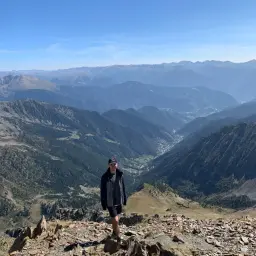
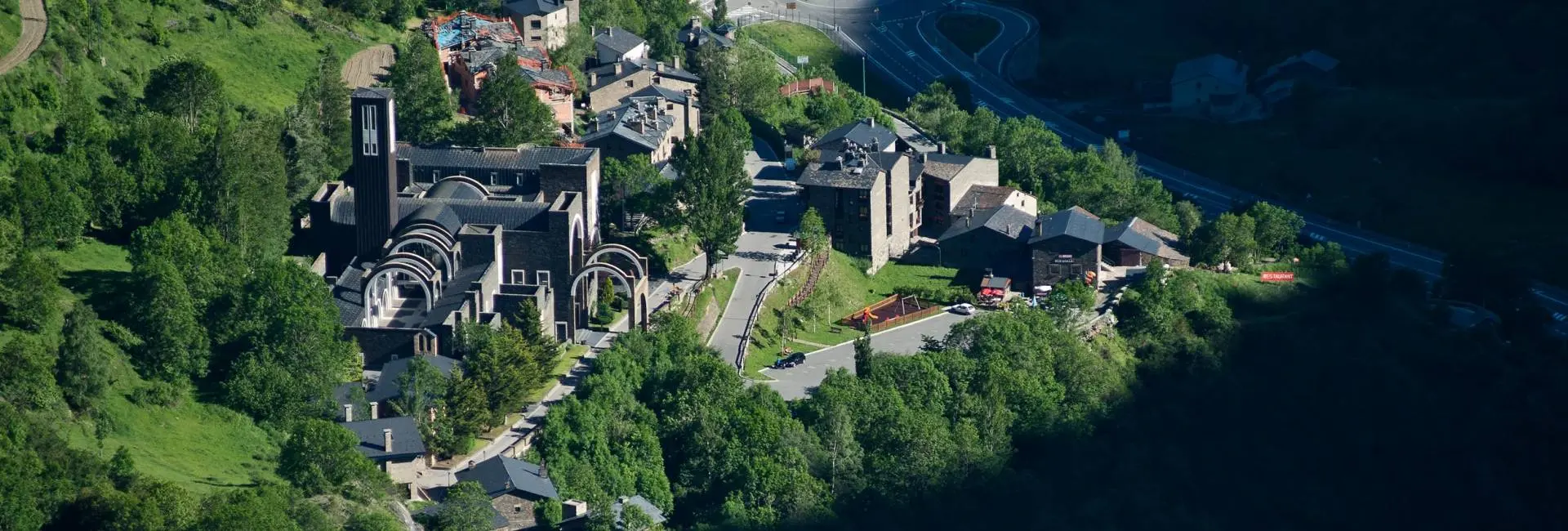
Meritxell Sanctuary is much more than a place of worship: it is the spiritual heart of Andorra, a symbol of national identity and one of the Principality's most visited sites. Set in the valley amid beautiful Pyrenean scenery, the sanctuary is home to the devotion to Our Lady of Meritxell, patron saint of Andorra since 1873.
🎉 Andorra's National Day
8 September, the feast day of Meritxell, is Andorra's national day, bringing religious devotion and national pride together. It is a public holiday throughout the country.
The legend of Our Lady of Meritxell
The story of Meritxell Sanctuary dates back to the 12th century. According to legend, one winter day a shepherd found an image of the Virgin Mary beneath wild rose bushes miraculously in bloom.
Surprised by his discovery, the shepherd took the image home. However, the statue returned to the same spot three times. This was understood as a divine sign, and the people of Andorra decided to build a chapel on that very site.
The message of the Virgin
The image's insistence on returning to the same place was understood as the Virgin's wish to remain at this sacred site, protecting and blessing the Andorran people from the heart of the valley.
The original Romanesque statue
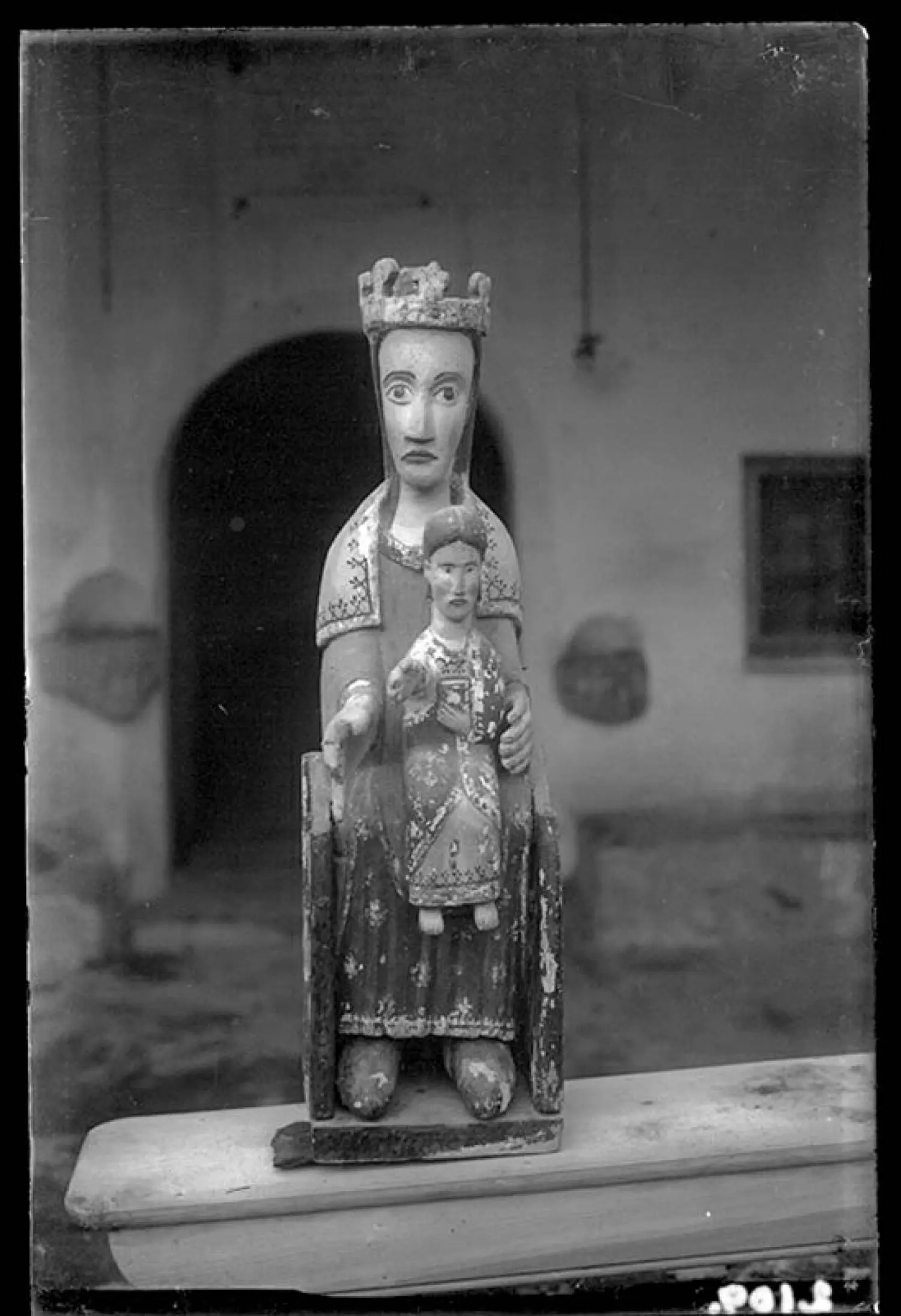
The original image of Our Lady of Meritxell (before 1972)
The original image was a 12th-century Romanesque polychrome wood carving, considered one of the oldest in the Pyrenean region. The Virgin was shown seated solemnly, holding the infant Jesus on her lap.
Another jewel of Andorra's Romanesque heritage is the 12th-century Sant Romà de Les Bons church, which I recommend visiting as part of my Andorra in 2–3 days itinerary. If you are in Encamp, you can also combine your visit with the free Tibetan bridge.
Unique features
- • A five-pointed crown over a white veil
- • “Long hand”: an exaggeratedly large right hand, symbolising welcome and blessing
- • Peasant clogs: traditional footwear worn by mountain women
- • Prominent eyes: inspired by Pantocrator figures, expressing the idea that even when you cannot see her, she sees you
The medieval artist's message was clear: Our Lady of Meritxell, queen of heaven and earth, is a simple and humble woman who loves everyone equally.
The origins of the village of Meritxell
On 8 January 1176, 380 heads of household from the Andorra valley signed an agreement with the canons of La Seu d'Urgell Cathedral. Among them were Joan Subran of Meritxell and Mir Guille of Molleres. This is the earliest known written record mentioning the names Meritxell and Molleres.
The lack of earlier documents does not mean Meritxell did not exist before then. At the time, however, it was probably a small community made up of the settlements of Meritxell and Molleres, centred around the church of Saint Mary and its cemetery.
The settlement stood beside the road linking Encamp and Canillo, just beyond the difficult Gorges de la Bor. The church was built on an isolated rock below a steep drop above the Valira d'Orient river, beneath the road leading uphill towards Prats.
Despite major church extensions during the 1650s and the growing popularity of its gatherings, the village remained a small farming and livestock community in the parish of Canillo. By the end of the 18th century, Meritxell and Molleres together had just eight houses and a total of 30 inhabitants.
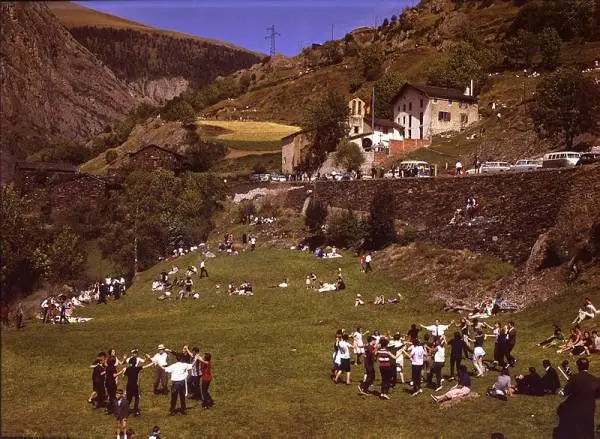
A traditional celebration in Meritxell featuring the sardana, a Catalan dance
The construction of the main road away from Meritxell meant the village was no longer on a through-route, but it also helped preserve the rural character of the settlement. Today, the new sanctuary, a significant and distinctive building, has given Meritxell greater importance among Andorra's villages.
The tragic fire of 1972
The night of 8–9 September 1972
Just hours after the feast day of Andorra's patron saint had been celebrated, a fire destroyed almost the entire Romanesque sanctuary: the building, altarpieces, altars and liturgical objects, and, most painfully for the Andorran people, the venerated original image of Our Lady of Meritxell.
Only part of the church façade and a few walls survived the fire. The tragedy deeply affected the whole country, which had lost not only a historic building but also the Principality's oldest and best-loved Romanesque carving.
Yet the tragedy also marked the beginning of a new chapter. On 9 September, the General Council of Andorra decided to rebuild the sanctuary in its entirety, demonstrating the site's importance to national identity.
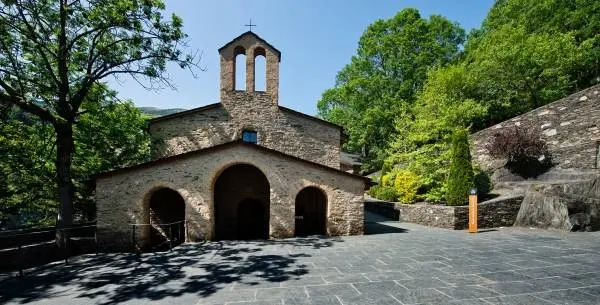
The “Old Sanctuary” — partially reconstructed remains of the former Romanesque church
What happened to the stone church?
The stone church you can see today is the “Old Sanctuary”, a partial reconstruction of the original Romanesque building that burned down in 1972. It was partially restored in 1994 and turned into a place of collective remembrance.
It now houses the retrospective exhibition “Meritxell Memòria”, which uses images, documents and objects to tell the story of devotion to Andorra's patron saint. It is a living record of the Andorran people's historic devotion.
Architectural rebirth: Ricardo Bofill
The new sanctuary was commissioned from the renowned Spanish architect Ricardo Bofill Levi. The design was intended to convey monumental grandeur and religious strength, guided by three core principles: Faith, Identity and Culture.
Bofill designed a sanctuary that blends tradition and modernity, fitting naturally into the surrounding Pyrenean landscape. The new building opened in 1976, just four years after the fire.
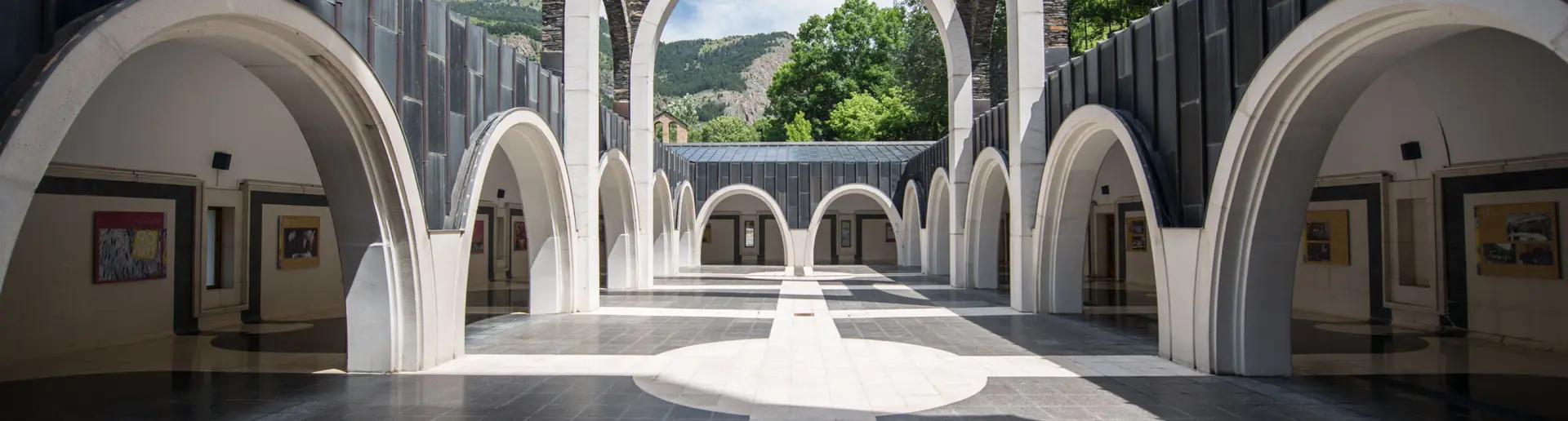
Distinctive architectural features
🏛️ A fusion of styles
The design is a fascinating blend of modern and medieval influences, with clear references to Romanesque and Gothic traditions interpreted in a contemporary way.
🏔️ Part of the landscape
The large arches of white stone and slate recall those left after the fire, creating historical and visual continuity with the Pyrenean surroundings.
💡 Light
Large windows let natural light flood the interior, creating a space for reflection and spirituality. Water in the cloister of mirrors brings the work of people into harmony with nature.
⛪ Medieval bell tower
The tower bell-tower recalls those found in many medieval monasteries in south-eastern Europe, connecting the sanctuary with European religious tradition.

Inside the sanctuary: spacious, bright areas that invite quiet reflection
The new image of Our Lady of Meritxell
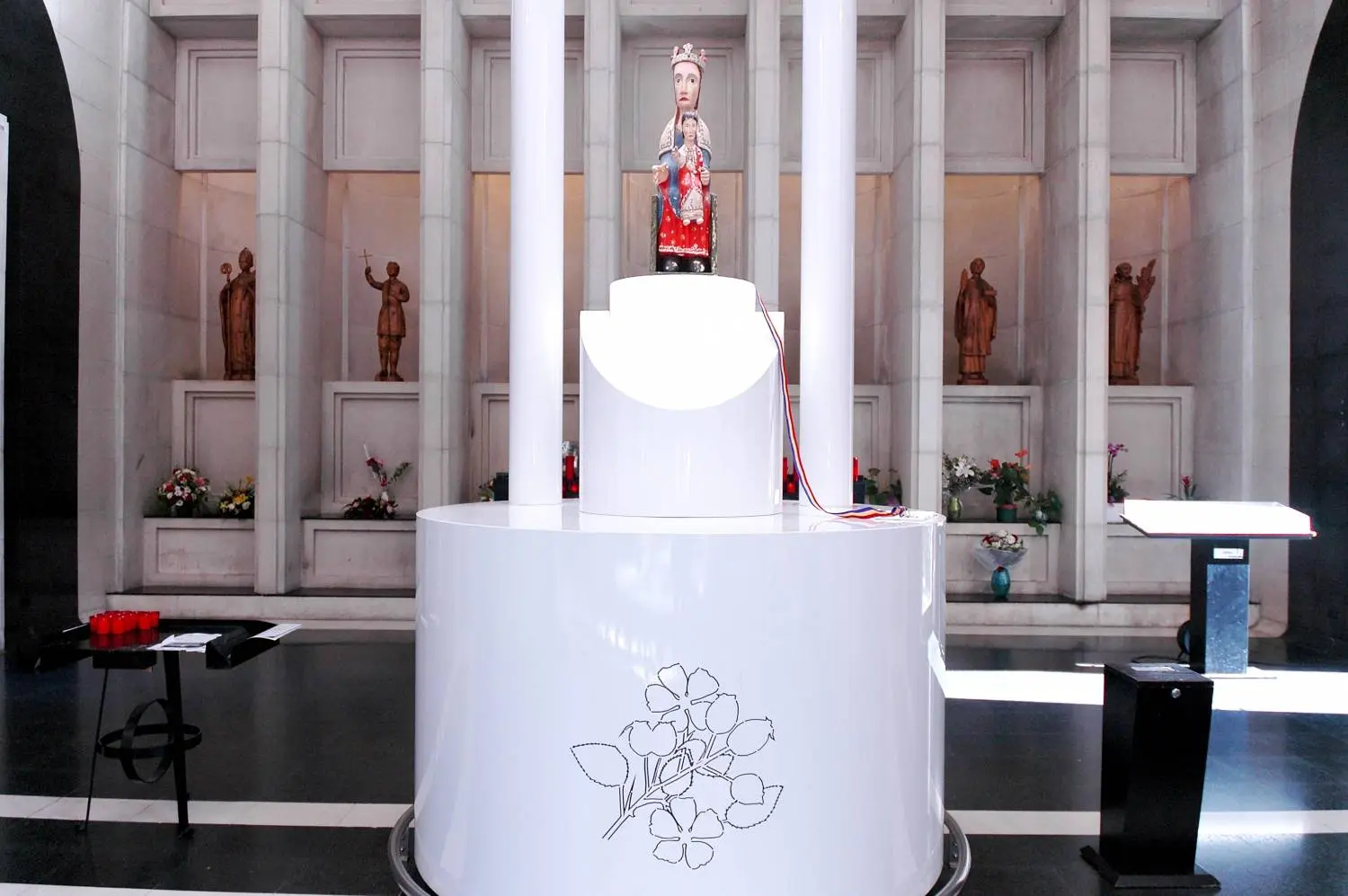
The current replica of Our Lady of Meritxell
The image venerated in the sanctuary today is a faithful reproduction of the Romanesque carving lost in the 1972 fire. It was made by a workshop in Olot using advanced laser technology, based on photographs of the original.
⚠️ Important note
This replica is not the statue by Sergi Mas. In 2004, someone stole and burned a modern sculpture created by the artist Sergi Mas. The current image is a faithful copy of the original 12th-century Romanesque carving.
The new carving faithfully reproduces the defining features of the lost image: the large hands symbolising welcome and protection, the prominent eyes expressing that the Virgin always watches over her children, and the peasant clogs that recall her humility.
Inside the sanctuary, beneath a cylindrical canopy, the image is surrounded by light, creating an atmosphere of mystery and contemplation.
The patron saints of the parishes
The images of the seven patron saints of Andorra's parishes can be seen in the upper part of the sanctuary. Their presence underlines Meritxell's importance as a National Sanctuary representing the whole Principality.
The seven patron saints:
- ⛪ Sant Serni of Canillo
- ⛪ Santa Eulàlia of Encamp
- ⛪ Sant Corneli of Ordino
- ⛪ Sant Iscle of La Massana
- ⛪ Sant Esteve of Andorra la Vella
- ⛪ Sant Julià of Sant Julià de Lòria
- ⛪ Sant Pere Màrtir of Escaldes-Engordany
Minor Basilica: papal recognition
The title of Minor Basilica (2014)
On 13 May 2014, Pope Francis granted Meritxell Sanctuary the title and dignity of “Minor Basilica”, exactly one hundred years after the papal declaration of Our Lady of Meritxell as the principal patron saint of the Valleys of Andorra.
This distinction is granted by the Pope to churches that are especially significant because of their history, culture, liturgical life and pastoral work. The recognition highlights the Principality's most important place of worship.
Declaration as a Cultural Heritage Site
The Meritxell Sanctuary complex has been declared a Cultural Heritage Site by the Government of Andorra in recognition of its heritage, architectural and spiritual value to the country.
Museum of Bibles of the World
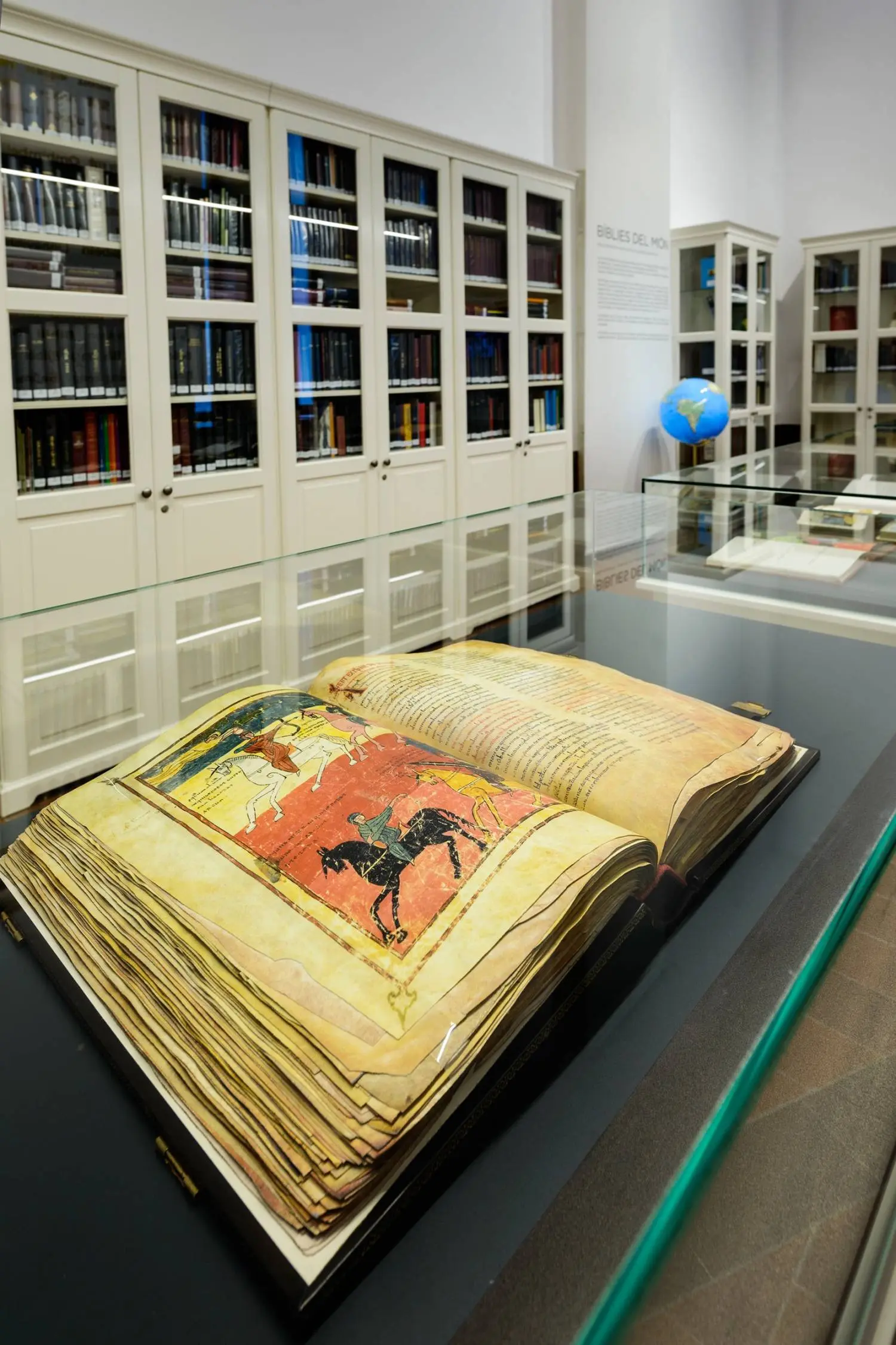
Meritxell Sanctuary houses an impressive collection of Bibles and New Testaments in 1,900 languages from five continents and 178 countries. The Bible has been translated into more than 3,000 languages in total.
The remarkable collection was assembled and donated by former Andorran banker Pere Roquet over 26 years of travelling around the world.
Unique and rare Bibles
📖 Nearly extinct languages
- • Turkana
- • Manx
- • Cornish
- • Tetlin
🌍 Special editions
- • An underground Bible in North Korean
- • A Bible in Braille (for blind readers)
- • A Bible in sign language (for deaf readers)
- • A manga Bible
🎮 Unusual formats
- • A Bible illustrated by Robert Crumb
- • A Bible in Minecraft video-game format
- • The world's smallest Bible
📚 Ancient and modern languages
From ancient manuscripts to contemporary translations in minority languages.
Other important Bible museums
The Meritxell collection is among the most important in the world, alongside:
- • Museum of the Bible (Washington, D.C.) — considered the world's largest
- • MOBIA (New York)
- • Museum of Biblical Art (Dallas)
- • Bijbels Museum (Amsterdam)
- • Museu Bíblic de Tarragona
The holy water at the entrance
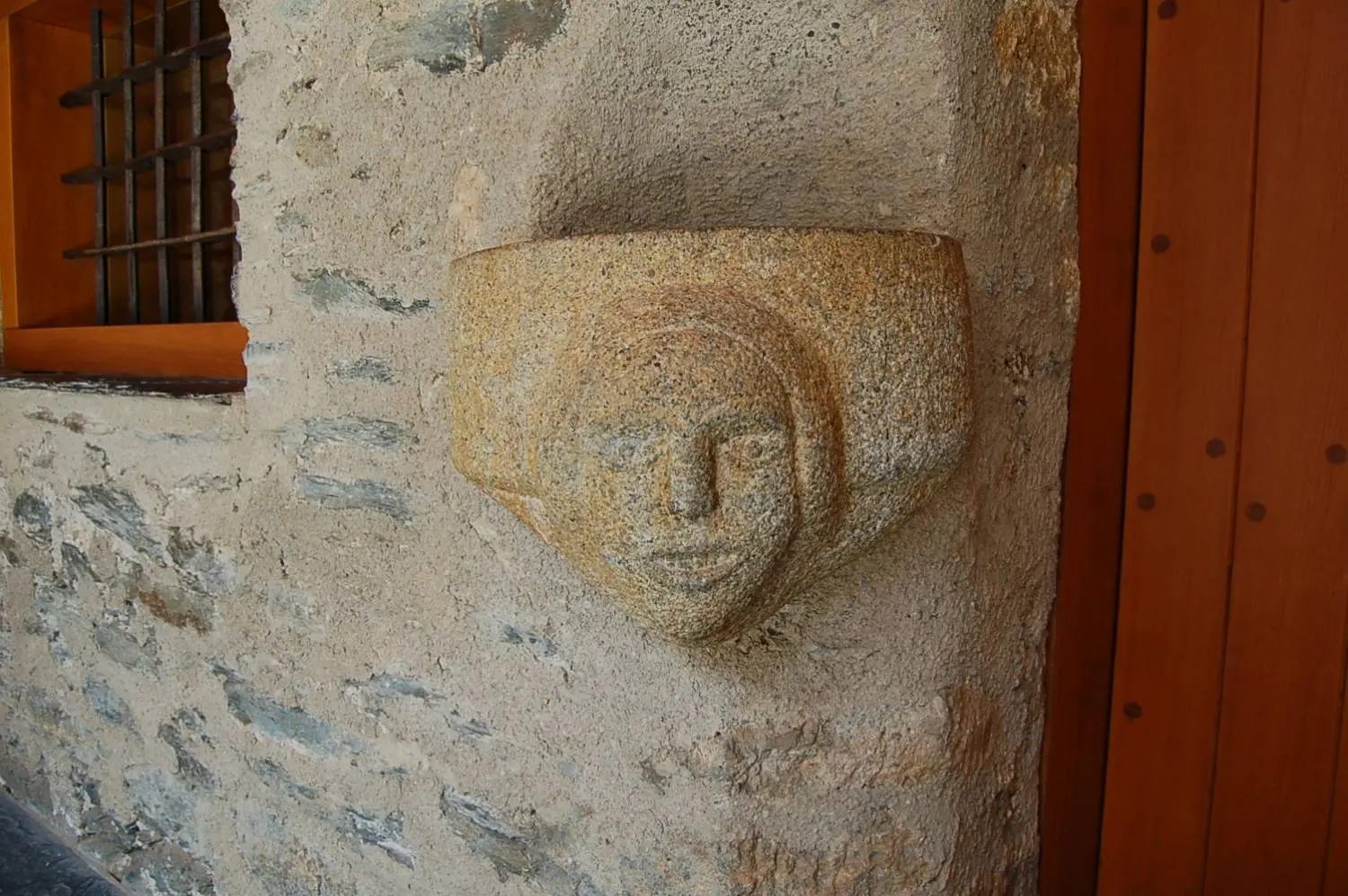
At the entrance to the sanctuary you will find a font of holy water, a traditional feature of Catholic churches that invites visitors to make the sign of the cross before entering.
Blessed according to Catholic tradition, the water symbolises spiritual purification and recalls baptism. Many pilgrims and visitors pause here for a moment of reflection before entering the sanctuary.
“Holy water is a symbol of spiritual renewal that connects the faithful with their faith and with the sanctuary's centuries-old tradition.”
A visual tour of the sanctuary
To give you a better sense of the beauty of Meritxell Sanctuary, here is a video showing both the interior and exterior of the modern basilica and the old sanctuary:
A complete video tour of the interior and exterior of Meritxell Sanctuary
Part of the Marian Route
Since 2014, Meritxell Sanctuary has been part of the Marian Route, a cultural and religious itinerary linking major Marian shrines in France, Spain and Andorra.
The five sanctuaries on the Marian Route
- 🇪🇸 El Pilar (Zaragoza, Spain)
- 🇪🇸 Torreciudad (Huesca, Spain)
- 🇫🇷 Lourdes (France)
- 🇦🇩 Meritxell (Andorra)
- 🇪🇸 Montserrat (Barcelona, Spain)
The route attracts thousands of pilgrims every year, drawn to Marian spirituality at some of the most emblematic sites in the Pyrenees and northern Spain.